
SEMINARS IN AGEING
Past event · 10 Mar 2026
From evidence to engagement: can pragmatic, low-dose exercise interventions bridge the gap?
Exercise is one of the most effective strategies for preserving physical function, independence, and quality of life in older adults, yet long-term…
DATE
10 March 2026
TIME
12:00pm – 1:00pm
LOCATION
Online
WATCH AGAIN
SPEAKER
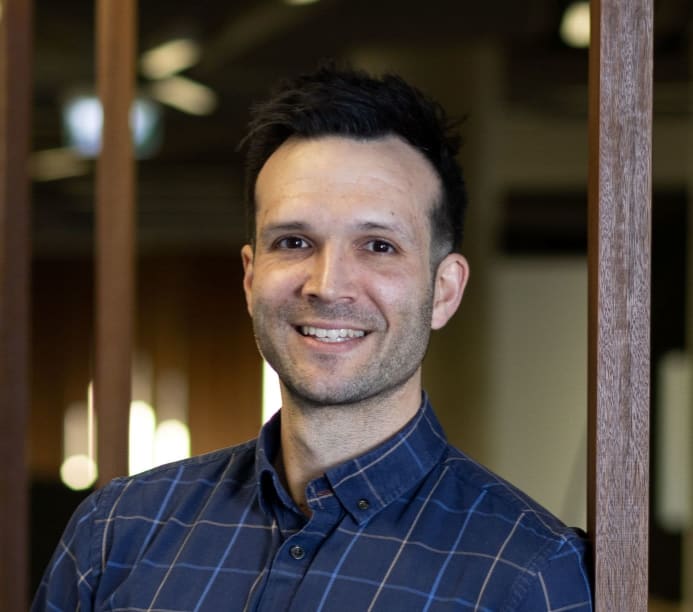
Dr Jackson Fyfe
Senior Lecturer, Institute for Physical Activity and Nutrition
Deakin University, Melbourne
SERIES
Seminars in Ageing
STATUS
Booking for this event has now closed.
Exercise is one of the most effective strategies for preserving physical function, independence, and quality of life in older adults, yet long-term engagement remains a key challenge. This gap between evidence and engagement suggests the problem is less about identifying optimal exercise prescription, and more about whether exercise is designed in ways older adults can realistically adopt and sustain.
Drawing on our work with pragmatic, low-dose resistance training approaches, including “exercise snacking,” and remote monitoring of physical function, this talk highlights how reducing exercise dose and delivery burden may improve feasibility while adhering to evidence-based principles. These approaches challenge traditional assumptions that higher volumes or more complex programs are required to achieve meaningful functional benefits.
As improved feasibility alone does not guarantee sustained participation, this presentation also highlights the need to embed pragmatic, low-dose exercise within systems that support ongoing engagement in real-world settings.
Watch the recording
About the presenter
Dr Jackson Fyfe
Dr Jackson Fyfe is a Senior Lecturer in the Institute for Physical Activity and Nutrition within the School of Exercise and Nutrition Sciences at Deakin University, Melbourne. His research focuses on pragmatic, low-dose exercise strategies designed to limit age-related declines in physical function in older adults. His work also uses digital technologies to support remote delivery and monitoring of exercise interventions, with a strong focus on real-world feasibility and uptake.